Companionship and Continuity: Benefits of Little Senior Take Care Of Amnesia
Business Name: BeeHive Homes of Maple Grove
Address: 14901 Weaver Lake Rd, Maple Grove, MN 55311
Phone: (763) 310-8111
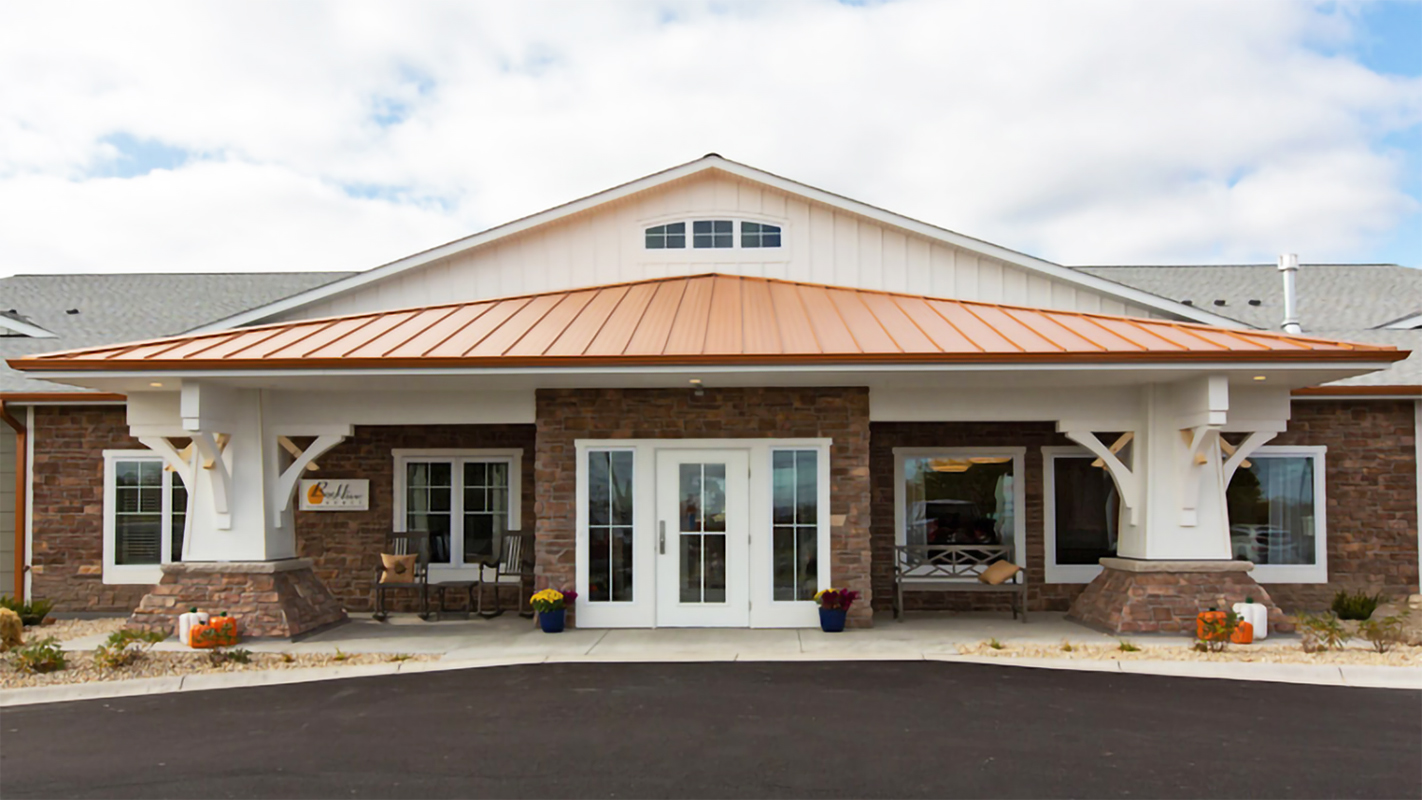
BeeHive Homes of Maple Grove
BeeHive Homes at Maple Grove is not a facility, it is a HOME where friends and family are welcome anytime! We are locally owned and operated, with a leadership team that has been serving older adults for over two decades. Our mission is to provide individualized care and attention to each of the seniors for whom we are entrusted to care. What sets us apart: care team members selected based on their passion to promote wellness, choice and safety; our dedication to know each resident on a personal level; specialized design that caters to people living with dementia. Caring for those with memory loss is ALL we do.
14901 Weaver Lake Rd, Maple Grove, MN 55311
Business Hours
Families generally get to memory care crossroads after a series of little alarms. A pot left burning on the range. A missed out on medication that used to be force of habit. A parent who once hosted huge vacation dinners now puzzled and withdrawn at the table.
The need is apparent: safety, structure, medical oversight. The fear is just as real: losing the individual's identity in a big, institutional setting where they end up being a space number rather of a name.
This is where little senior care environments can change the trajectory, specifically for individuals coping with Alzheimer's or other kinds of dementia. Not best, not magical, but typically more humane, more versatile, and more in tune with the lived truths of memory loss.
What "little" actually means in senior care
When families hear "small care setting," they often imagine a personal home with two or 3 homeowners. In practice, small senior take care of amnesia covers a variety of designs, however they share a couple of core traits.
Some typical formats consist of:
- Residential care homes with 4 to 10 homeowners, typically in a converted single-family house.
- Memory care homes, grouped on a school, each with a little, constant group of residents.
- Boutique assisted living communities that cap each wing or household at a low number.
The precise licensing classification varies by state and nation. Some are certified as assisted living or residential care facilities. Others operate as specialized memory care homes. A few deal respite care beds, so families can reserve short stays, for example after surgery or during a caretaker's planned break.
The important difference is not just the number of locals, but the scale of life. Rather of a large dining hall, you might see a kitchen area table with eight chairs. Instead of turning staff throughout several floors, a small group often sticks with the same locals day after day.
For people with dementia, that scale matters.
Why continuity calms the brain
Memory loss does not erase the human requirement for predictability. In fact, dementia makes consistency a lot more valuable.
Think about how disorienting it feels to get up in a hotel space after a long flight. Your brain needs a few seconds to bear in mind where you are, which way the bathroom is, what time zone you have actually landed in. Now imagine carrying that micro-confusion through every hour of every day.
In a small senior care environment, continuity becomes a protective layer. The exact same caretaker brings breakfast each morning. The same armchair sits by the very same window. The exact same next-door neighbor at the table likes her coffee with too much cream. This stable repeating slowly knits together a psychological map that even a harmed brain can lean on.
From years working together with nurses and caregivers in memory care, I have actually seen 3 particular benefits of this continuity.
First, habits typically settle. Citizens who roamed continuously in a large, loud system in some cases unwind when they realize that the world around them is stable and knowable. They stop checking every door because they no longer feel trapped; they simply live in a smaller sized, easy to understand place.
Second, interaction enhances. When staff care for 6 homeowners instead of twenty, they get the subtleties. A furrowed brow at 3 p.m. May signal discomfort, or it may indicate the person always grew agitated before afternoon milking on the farm. Recognizing that pattern changes the response from "time for an anxiety pill" to "let's stroll outdoors and speak about your old barn."
Third, households can interact better with staff. In a little setting, you generally know who to text when Dad begins mixing up his words, or when Mom's sleep pattern changes. That feedback loop, constructed on relationships, results in quicker, more individualized interventions.
Continuity does not cure dementia, but it can minimize the variety of crises that need emergency clinic visits or rushed medication changes.
The power of genuine companionship
Companionship in senior care frequently sounds like a soft concept, secondary to the "severe" work of medications and fall prevention. Yet for individuals coping with amnesia, human connection is as vital to wellness as any tablet in the med cart.
In large facilities, personnel move fast. They must. Ratios of one caregiver to ten or more homeowners are common in assisted living and memory care units, specifically on evenings and weekends. Even with the best intents, that leaves little time for sluggish discussion or spontaneous activity.
Smaller senior care homes can tilt this balance. With fewer residents, the very same employee can help with dressing, share breakfast, assist with a puzzle, and sit along with somebody throughout a distressed spell. The conversation that begins during tooth brushing can continue in the living room. That continuity of individual, not just location, is deeply grounding.
I keep in mind one gentleman, a retired engineer with vascular dementia, who moved from a big facility into a six-bed home. In the previous setting, he was labeled "exit-seeking" after multiple efforts to leave of the unit. The doors were alarmed. His household was alerted that he may need one-to-one supervision.

At the smaller home, the manager viewed him for a week. She discovered that his "exit attempts" appeared around the shift change, when personnel at the larger center were busiest and least readily available to chat. In the little home, she simply asked, "Wish to assist me examine the fence?" at those very same times. They would walk the yard together, examining gate latches. Eventually, he started starting the routine himself, tapping his watch at the typical hour. The desire to bolt changed into a shared task.
What altered was not the male's brain, however the environment's capability to use real friendship. He no longer needed to yell, with his feet, that he felt ignored.
Companionship in small senior care tends to be woven into the day: folding towels together, recollecting over old recipes while prepping lunch, sitting on the deck to track community pet dogs. None of this appears as a "program" on a glossy pamphlet, yet it often matters more than the arranged bingo game.
Assisted living vs small memory homes: what truly differs
Families typically ask whether they must look at standard assisted living, devoted memory care, or smaller sized residential homes. The answer depends upon the person's level of need, character, and monetary situation, but there are genuine differences worth understanding.
Here is a basic contrast that reflects what numerous families come across in practice, acknowledging that there are exceptions on both ends of the spectrum.
- Scale: Larger assisted living and memory care communities may have lots of homeowners on a single floor, while little homes typically serve 4 to 10 locals per house.
- Staffing attention: In a small home, staff are most likely to understand every resident's routines and individual history. Bigger structures may have more specialists, however likewise more handoffs.
- Environment: Traditional settings frequently feel more like hotels or health care centers. Small homes usually look like, and often are, single-family houses.
- Flexibility: Small settings can be active about everyday regimens and choices. Larger operations may follow tighter schedules to collaborate lots of residents at once.
- Social energy: Some people love a larger crowd, routine entertainment, and differed activities. Others do better with a quiet, family-style rhythm.
The nuance matters. An extremely social person who enjoys music performances, religious services, and large group activities may actually feel tired in a small home with little structured shows. Alternatively, somebody currently overwhelmed by sound and hectic spaces might discover a little, foreseeable environment far much easier to navigate.
Memory care needs frequently change over time as well. Early in the disease, an individual may fit much better in assisted living with some memory support, particularly if they still handle several tasks individually. As dementia advances and the individual requires more cueing, help with personal care, and close behavioral observation, a smaller design can become more appropriate.
Designing days that feel familiar, not institutional
People living with dementia do not require home entertainment every hour. What they need is purpose, rhythm, and a sense of belonging in an identifiable day.
Smaller senior care homes frequently have a much easier time developing this sort of "typical life" structure. They operate on the scale of a household, not a hotel.
Breakfast might be made to purchase, with homeowners sitting close-by while staff cook. Folding laundry can double as a cognitive workout and a way to contribute. A walk to check the mail offers movement, fresh air, and a small ritual of ownership: "This is our home, and this is our mailbox."
In practice, a day in a great small memory care setting might look like this:
The morning starts without a blaring overhead page. Instead, a caretaker carefully wakes Mrs. Lopez the way her daughter explained during intake, by opening the drapes initially and putting on her favorite ranchera music. Coffee fragrance reaches the hallway. Some locals wander into the cooking area in robes. Others prefer to dress initially, with help.
Midday may consist of an easy group activity, like peeling apples at the table while talking about childhood recipes. The result, a homemade cobbler, is secondary to the shared work. Personnel take care to include even those with innovative dementia, perhaps by handing them safe, soft fabrics to clean the table or feel the texture of the fruit.
Late afternoon, typically a high-risk time for agitation known as "sundowning," becomes a structured comfort period. Instead of residents scattered and agitated in a big lobby, the small home might gather everybody for a familiar ritual, like watching a particular old film, listening to hymns, or hosting a "mail sorting" session with genuine and replica envelopes.
Nighttime care respects individual patterns as much as health allows. Some individuals with dementia revert to earlier-life shifts, such as night owl practices from decades of working evening tasks. A small home can sometimes flex staffing to allow safe, quiet wakeful durations, instead of forcing everybody into a single 8 p.m. Bedtime.
This type of customization is not special to little homes, however the smaller sized the group, the more possible it becomes.
Respite care as a pressure valve for families
Family caregivers typically wait too long to seek aid. Regret, financial concerns, and promises made in much healthier years can keep someone caring 24/7 in the house long past the point of burnout. When crisis hits, options narrow.
Respite care can disrupt that pattern. By setting up short remain in a senior care setting, normally in between a few days and a couple of weeks, households can rest, take a trip, or handle emergency situations, while the person with dementia receives structured support.
Small homes are frequently well suited for respite care, since they can soak up a new resident into a constant, homelike rhythm without overwhelming them. The environment looks less foreign than a big center, and it is simpler to build connection rapidly with a little staff team.
For example, a daughter caring for her mother with moderate dementia in the house might schedule a one-week respite stay every three months in a nearby residential care home. Gradually, her mother begins to acknowledge your house and personnel. The transition each visit grows smoother. If irreversible positioning ends up being essential later on, the relocation might feel more like returning to a familiar 2nd home than being "put away."
This is not only an emotional benefit. Planned respite can avoid medical crises. Caregivers who get routine rest typically manage medications more properly, respond more patiently to repeated questions, and notification subtle modifications previously. A little setting that knows the household well can also flag concerns, such as new movement problems or swallowing problems, before they escalate.
Some little homes use very minimal respite because every bed represents a substantial portion of their income. Others deliberately book one space for short stays. It is worth asking, specifically if you know that long-term caregiving at home will require periodic breaks.
Safety without stripping away autonomy
Any senior care environment should keep homeowners safe, specifically when memory loss results in beehivehomes.com memory care maple grove mn roaming, bad judgment, or difficulty with balance. The concern is how to construct safety into the environment without turning it into a locked, scientific box.
Small homes tend to integrate security features more quietly into the material of the house. Door alarms can be subtle, instead of heavy magnetic locks. Outdoor areas can be totally enclosed but still look like a backyard, not a security lawn. Cooking areas can be partially open, with knives kept out of sight but locals still able to watch and participate.
Care ratios matter here. A caregiver viewing 6 residents can track movement more easily than one accountable for fifteen spread throughout a big wing. This allows for more nuanced supervision. Instead of banning all outside access, a small home might enable specific homeowners escorted strolls, based on their history and existing level of risk.
Risk tolerance varies by company and by family. Some small homes adopt a highly protective stance: alarms on every door, stringent limits around without supervision movement. Others accept what is in some cases called "self-respect of threat," accepting that small falls or occasional confusion outside on the patio area are a price worth spending for a more active, engaged life.
A thoughtful method to dementia care generally lands in the middle. For example, staff might lock the front door however keep a fenced garden always readily available. They might set up motion sensing units that notify caregivers when someone goes into the bathroom during the night, permitting prompt support without hovering or video cameras in personal spaces.
Families should ask not just "Is this place safe?" however "How do you stabilize safety with independence?" The responses typically expose more about the culture of care than any brochure.
The emotional load on staff and how little settings help
Good dementia care is emotionally demanding work. Personnel end up being attached to homeowners, who gradually decline. They absorb anxiety from households and habits from residents. In large facilities, burnout and turnover can be high, which wears down continuity.
Small senior care homes can not remove burnout, however they often structure operate in ways that support personnel and, indirectly, residents.
Caregivers in smaller settings normally have:
- Deeper individual relationships with residents, that make the work more meaningful.
- More differed jobs, reducing uniformity and enabling various skills to surface.
- Greater say in everyday routines and decisions, increasing their sense of ownership.
- Closer contact with management, shortening the range in between problem and solution.
- Clearer feedback from families, which can verify great and highlight specific improvements.
When staff feel appreciated and involved, they remain longer. Longer tenure suggests homeowners live among familiar faces, not a constantly changing parade of strangers. For individuals with memory loss, that continuity can soften the worry that "everyone I know keeps disappearing."
Of course, little homes can also have problem with staffing. A single resignation or disease can strain the schedule more than in a big organization. Households must ask how the home manages call-outs, what backup staffing plans exist, and whether they utilize firm staff or pull from a recognized swimming pool of part-time employees.
Trade-offs and limitations of little senior care
Small does not immediately mean better. It implies different, with particular strengths and weaknesses.
On the favorable side, families typically discover:
The environment feels more personal and less institutional. Staff know citizens' histories in detail and personalize care. Shifts, such as from home to care, feel less jarring. Communication with decision-makers is normally much faster and more direct.
On the challenging side, you may encounter:
Limited scientific depth on site. A big memory care unit might have a nurse on every shift, whereas a little home may count on checking out nurses or on-call support. Fewer on-site amenities. You will not see a health club, theater, or complete activities department in a six-bed home. Variable policy and oversight. In some regions, residential care homes face looser oversight than licensed assisted living or nursing homes. In others, they are tightly controlled. Households must comprehend their regional framework. Financial complexity. Smaller operations frequently have less ability to accept particular insurance coverage strategies or public funding. Some rely completely on personal pay.
There are also edge cases. A person with serious behavioral symptoms, such as frequent violent outbursts, may actually need the specialized staffing and security of a bigger, hospital-affiliated dementia care unit. Conversely, someone with early-stage memory problems but complicated medical needs may fit much better in a nursing home with robust rehabilitation and knowledgeable nursing, instead of any little home.
The secret is to match the environment to the individual, not the other way around.
Questions households need to ask when exploring little memory care settings
Choosing a senior care environment is rarely a simply reasonable choice. It mixes gut instinct, monetary truth, medical necessity, and family characteristics. Still, specific questions can bring clarity, particularly when examining little homes for someone with dementia.
Consider utilizing this brief checklist during tours:
- How lots of citizens live here, and how many caretakers are on each shift, including nights and weekends?
- What particular training do personnel receive in dementia care, interaction, and handling difficult behaviors without heavy sedation?
- How do you manage medical problems after hours or on weekends, and who chooses when to call 911?
- Can you describe a recent difficult situation with a resident and how personnel dealt with it?
- How do you involve families in care planning and updates, particularly when the resident can no longer speak plainly for themselves?
Pay attention not just to the answers, but to the way staff respond. Protective or unclear replies may indicate deeper issues. Clear, specific examples recommend a team that has in fact grappled with real-world intricacies instead of speaking in slogans.
Also watch for small information. Do locals seem groomed in such a way that reflects their usual style, or is everyone in generic sweatpants? Are staff addressing residents by name, and do they await responses rather than rushing through tasks? Exists evidence of life, such as household images, worn cookbooks, or a half-finished puzzle, or does the area look staged for visitors?
When to revisit the decision
One of the greatest misconceptions in senior care is that placement is a single, final decision. In reality, dementia care unfolds over years, and needs shift. What fits now may require reviewing later.
Families who pick a small senior care home often face 3 inflection points.
The first comes if physical care requirements surpass what the home can offer. For instance, an individual who ends up being fully bedbound and needs complex injury care or feeding tubes may require a greater level of proficient nursing, even if their cognitive needs are still well supported.
The second develops when habits intensify beyond the home's capability. A resident who starts striking personnel, barricading doors, or experiencing serious psychosis might need short-term inpatient psychiatric care. Some small homes can re-integrate such citizens later, specifically with medication adjustment and behavior plans. Others can not securely do so.
The third inflection includes finances. Long-term dementia care is costly in any setting. A home that seemed manageable at the beginning might grow unaffordable if cost savings deplete and public advantages do not cover that type of facility. Preparation early with an elder law lawyer or financial organizer who comprehends long-lasting care can assist prevent forced relocations based entirely on cost.
Good providers acknowledge these realities in advance. They explain plainly what they can and can not manage, what signs might trigger a conversation about change, and how they support shifts if they end up being necessary.
The much deeper advantage: preserving personhood
Underneath all the useful details of assisted living, memory care, respite care, and dementia care lies a much deeper concern: How do we protect the personhood of someone whose memory is unraveling?
Small senior care settings are not the only response, however they can support that objective in special methods. In a world that frequently treats people with dementia as problems to be handled, a house-sized environment can make it simpler to keep in mind that this resident is likewise:
A retired instructor who used to stay up late grading documents. A carpenter who can still tell you, with complete satisfaction, how to square a corner. A grandmother who never served a vacation meal without homemade biscuits.
Companionship and continuity do not bring back lost neurons. They do something subtler and simply as important. They offer the individual with amnesia a much better opportunity to live the rest of their story in a place that feels like it still comes from them.
BeeHive Homes of Maple Grove provides assisted living care
BeeHive Homes of Maple Grove provides memory care services
BeeHive Homes of Maple Grove is a memory care home for seniors
BeeHive Homes of Maple Grove provides respite care services
BeeHive Homes of Maple Grove offers 24-hour support from professional caregivers
BeeHive Homes of Maple Grove offers private bedrooms with private bathrooms
BeeHive Homes of Maple Grove provides medication monitoring and documentation
BeeHive Homes of Maple Grove serves dietitian-approved meals
BeeHive Homes of Maple Grove provides housekeeping services
BeeHive Homes of Maple Grove provides laundry services
BeeHive Homes of Maple Grove offers community dining and social engagement activities
BeeHive Homes of Maple Grove features life enrichment activities
BeeHive Homes of Maple Grove supports personal care assistance during meals and daily routines
BeeHive Homes of Maple Grove promotes frequent physical and mental exercise opportunities
BeeHive Homes of Maple Grove provides a home-like residential environment
BeeHive Homes of Maple Grove creates customized care plans as residents’ needs change
BeeHive Homes of Maple Grove assesses individual resident care needs
BeeHive Homes of Maple Grove accepts private pay and long-term care insurance
BeeHive Homes of Maple Grove assists qualified veterans with Aid and Attendance benefits
BeeHive Homes of Maple Grove encourages meaningful resident-to-staff relationships
BeeHive Homes of Maple Grove delivers compassionate, attentive senior care focused on dignity and comfort
BeeHive Homes of Maple Grove has a phone number of (763) 310-8111
BeeHive Homes of Maple Grove has an address of 14901 Weaver Lake Rd, Maple Grove, MN 55311
BeeHive Homes of Maple Grove has a website https://beehivehomes.com/locations/maple-grove/
BeeHive Homes of Maple Grove has Google Maps listing https://maps.app.goo.gl/n99VhHgdH879gqTH8
BeeHive Homes of Maple Grove has Facebook page https://www.facebook.com/BeeHiveMapleGrove
BeeHive Homes of Maple Grove won Top Memory Care Homes 2025
BeeHive Homes of Maple Grove earned Best Customer Service Award 2024
BeeHive Homes of Maple Grove placed 1st for Senior Living Memory Care Communities 2025
People Also Ask about BeeHive Homes of Maple Grove
What is the monthly room rate at BeeHive Homes of Maple Grove?
The monthly rate depends on each resident’s care needs, room selection, and personalized care plan. Before move-in, we complete an initial assessment to better understand your loved one’s health, safety, mobility, personal care, and memory care needs. From there, we provide clear pricing based on the level of support required. Our goal is to keep families informed with transparent pricing and no hidden fees.
Does BeeHive Homes of Maple Grove only offer Memory Care?
BeeHive Homes of Maple Grove offers enhanced assisted living with specialized memory care support. We are experienced in caring for seniors living with Alzheimer’s, dementia, and other forms of memory loss, while also welcoming residents who may not have a dementia diagnosis but would benefit from a secure, highly personalized care environment. Our homelike setting is especially helpful for seniors who are earlier in their dementia journey, as well as those who need extra structure, daily support, meaningful routines, and compassionate oversight. Each resident receives care tailored to their needs, helping them feel safe, supported, and truly at home.
Can residents stay at BeeHive Homes through the end of life?
In many cases, yes. Our goal is to help residents remain in a familiar, comforting environment for as long as we can safely meet their needs. There may be exceptions if a resident requires 24-hour skilled nursing services or has needs that cannot be safely supported in our memory care setting. When care needs change, our team works closely with families, physicians, hospice providers, and other care professionals to help make the next step as smooth and compassionate as possible.
Do you have nurses on staff?
Yes. BeeHive Homes of Maple Grove has a team of Registered Nurses who provide care oversight, assessments, care planning, and coordination with other healthcare professionals. The typical RN schedule is Monday through Friday from 7:00 AM to 6:00 PM and weekends from 9:00 AM to 5:30 PM, with a Registered Nurse on call after hours. This helps families feel confident that their loved one’s changing memory care needs are being monitored with attention and compassion.
What are the visiting hours at BeeHive Homes of Maple Grove?
Family and friends are welcome to visit anytime. Because routine is especially important for residents with memory loss, we encourage visitors to avoid scheduled meal times when possible: 8:00 AM, 11:30 AM, and 4:30 PM. Visits are an important part of helping residents feel connected, loved, and at home.
Are the rooms private?
Yes. Residents enjoy private memory care suites with fully accessible bathrooms. Families are encouraged to personalize the room with familiar furniture, photos, keepsakes, and comforting touches that help the space feel like their loved one’s own. BeeHive Homes of Maple Grove also offers accommodations for couples who wish to remain together, depending on availability./p>
How do I schedule a tour or learn more?
You can call BeeHive Homes of Maple Grove at 763-310-8111 to ask questions, discuss availability, or schedule a personal tour. Visiting in person is one of the best ways to experience the warmth of the home, meet the care team, and see whether BeeHive Homes is the right fit for your loved one.
What makes BeeHive Homes of Maple Grove different from larger memory care communities?
BeeHive Homes of Maple Grove offers memory care in a smaller, more personal residential setting. Residents are known by name, supported according to their individual routines, and cared for in a warm environment that feels like home. From private suites and home-cooked meals to life enrichment activities and secure spaces, our approach is centered on comfort, dignity, and meaningful connection.
Where is BeeHive Homes of Maple Grove located?
BeeHive Homes of Maple Grove is conveniently located at 14901 Weaver Lake Rd, Maple Grove, MN 55311. You can easily find directions on Google Maps or call at (763) 310-8111 Monday through Sunday 7am to 7pm.
How can I contact BeeHive Homes of Maple Grove?
You can contact BeeHive Homes of Maple Grove by phone at: (763) 310-8111, visit their website at https://beehivehomes.com/locations/maple-grove, or connect on social media via Facebook
Residents may take a trip to the Maple Grove History Museum The Maple Grove History Museum provides a calm, educational outing suitable for assisted living and senior care residents during memory care or respite care excursions